
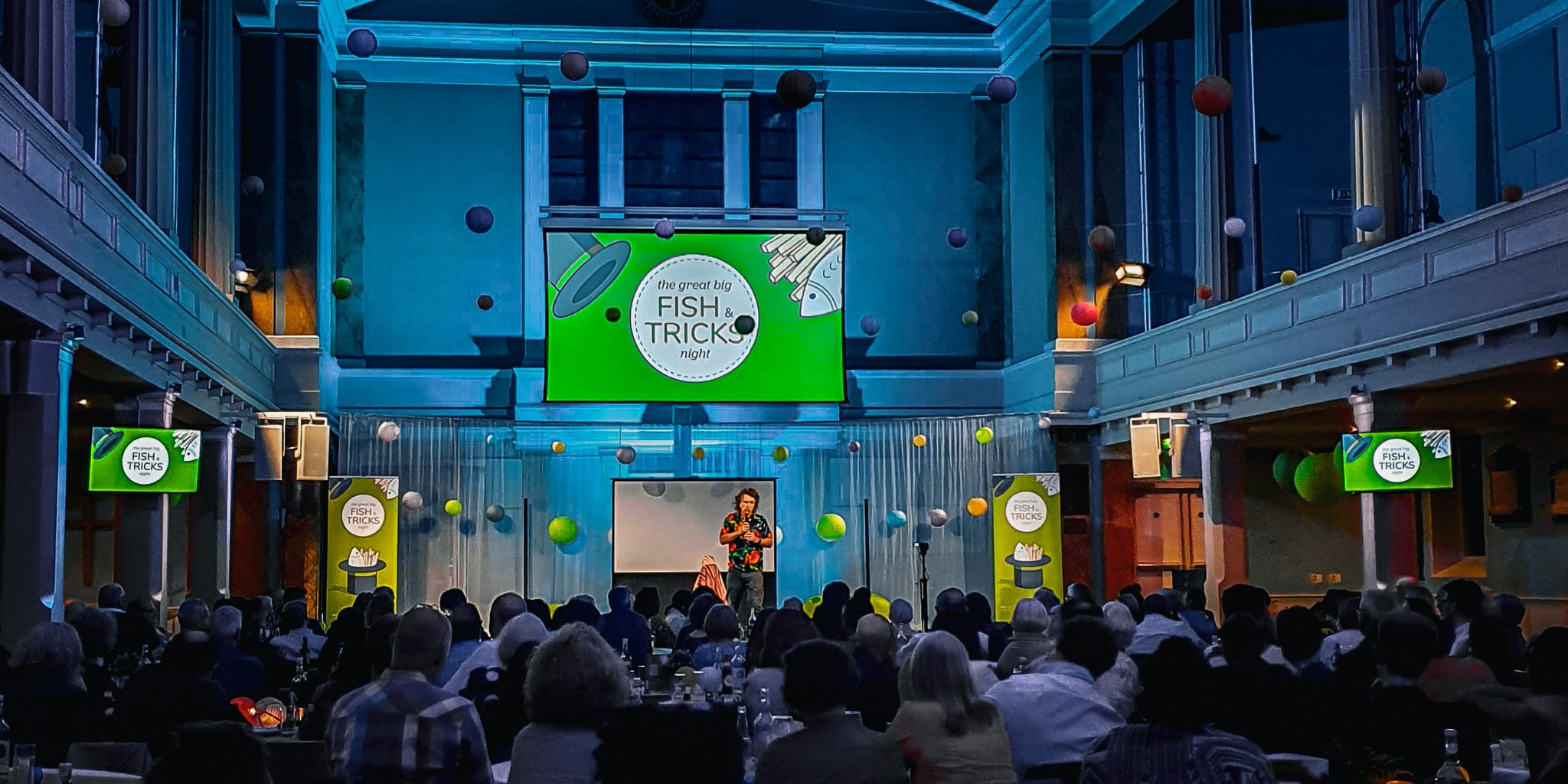
For generations, church income has largely depended on congregational generosity. While giving and tithing remain an integral part of church life, many communities are now facing increasing financial pressure as maintenance and energy costs rise alongside changing congregation sizes. For many church leaders, the question of how to create sustainable income without losing sight of their primary mission is becoming harder to ignore.
How do you build regular, sustainable income for your church?
One solution we've seen work time and again is making church spaces available for community groups, businesses, charities, events and celebrations through offering venue hire when rooms are not being used for ministry.
When approached thoughtfully, a church building can become a sustainable and reliable source of income, helping churches reduce their dependence on giving alone while creating new opportunities to welcome people through their doors. Good stewardship often means finding new ways for these resources to serve both the church and the wider community.
A common concern I hear among church leaders is that generating income might shift the church's focus from mission to money. In my experience, it doesn't have to.
Venue hire can be shaped around a church's values, welcoming the people and organisations that support its vision while creating a sustainable source of income. Rather than competing with ministry, the income from venue hire enables it by helping churches care for their buildings, invest in outreach, and become less dependent on giving alone.
Your church building is a mission asset
The first step is often seeing your building through someone else's eyes.
For those who care for church buildings day in and day out, it's easy to focus on the practical realities: the maintenance backlog, the heating bills, the repairs that never seem to end, and the hall that sits empty during the week. Those challenges are real. But someone visiting your building for the first time sees something different. They see a trusted, welcoming space with history, character and purpose.
Whether it is a historic church offering unique architecture and a peaceful sanctuary, a village hall providing a warm environment for local groups, or a modern building with flexible capacity, the opportunity lies in matching what you have with the people who need it.
Your building may look ordinary to you. To someone else, it may offer exactly the character, welcome and space they have been searching for.
Churches often undervalue what they offer
Once a church begins to recognise the value of its building, it often discovers it has more to offer than it first realised. Many churches compare themselves to hotels or purpose-built venues and conclude they can't compete. In reality, that's the wrong comparison. A church doesn't need to be a hotel, and trying to compete on the same terms often sets unrealistic expectations from the very beginning.
Instead, the question is: what does your building offer that other venues can't?
People often choose church spaces because they are looking for something different. Character, atmosphere, history, a sense of welcome, and a team that cares about their booking are all things that matter. A church doesn't need to provide every service itself. It can lean on its strengths of providing a great space, relationship-building and hospitality while partnering with trusted suppliers to fill the practical gaps, such as catering or production.
The biggest mistake I see churches make with venue hire
Once churches begin to recognise the value of what they have to offer, it's easy to think the goal is simply to get as many bookings as possible. In reality, that's one of the biggest mistakes I see.
Successful venue hire isn't about filling every available slot in the diary. It's about creating income that strengthens the church. That means understanding the true cost of each booking, putting the right systems in place, and making sure the events you welcome are a good fit for your building, your team and your values.
Sometimes that means saying no. A sustainable venue hire strategy isn't about accepting every enquiry that comes through the door. It's about choosing the right bookings, pricing them appropriately, and making sure they contribute positively to the life and mission of the church.
Successful venue hire isn't about filling every available slot. It's about creating income that strengthens the church.
What makes a church building successful for income generation?
If success isn't about filling every available slot in the diary, what actually makes venue hire work?
In my experience, successful churches get a number of things right. They understand who they're trying to serve, communicate the value of their space well, have a team that takes ownership, and put the right systems in place to manage enquiries and bookings consistently.
The building itself matters too. Features such as accessibility, parking, kitchen facilities and flexible layouts can all make a real difference to the types of events you can attract. But they are only part of the picture.
Time and again, I've seen churches with fairly ordinary buildings outperform venues with far better facilities because they communicate their value well, make it easy to book, and create a great experience from first enquiry to final invoice.
What can churches learn from those already doing this well?
Through working with churches across the country, we've seen what's possible. At Christ Church Roxeth, bookings increased by 60% in just three months. At St Mary's London, a long-term focus on venue hire helped grow annual income to around £500,000. In both cases, the results came from understanding the strengths of their building, communicating them clearly, and putting the right systems in place to make the most of every opportunity.
Where should churches start?
The best place to start is with an honest assessment of where you are today.
Think about who your building could serve beyond your immediate congregation, what makes your space distinctive, and whether your pricing, marketing and booking processes are helping or hindering growth. Small improvements in these areas can often make a significant difference over time.
Ultimately, generating income is not about becoming more commercial. It is about recognising what has been entrusted to you and asking how it can be used to serve more people, strengthen your mission, and create a more sustainable future for your church.